


Haze season in Singapore usually falls between August and October, but smoke from nearby forest fires can affect air quality earlier. As haze levels rise, the air can become uncomfortable and potentially harmful, especially for children, older adults, and people with respiratory conditions.
Staying indoors helps, but closing your windows and doors may not keep out fine PM2.5 particles. Preparing your home early, such as sealing gaps and checking your air-conditioning and air purifier, can help keep indoor air cleaner and your family more comfortable.
In this guide, we’ll share practical steps to help you get your home ready before haze season arrives.
Why preparing your home for haze season matters
Haze can affect the air inside your home, even when windows and doors are closed. Preparing ahead of time can help you:
- Reduce indoor PM2.5 exposure by limiting the amount of polluted outdoor air entering through gaps, doors and certain air-conditioning systems.
- Protect respiratory health by reducing irritation to the eyes, nose and throat and helping to manage conditions such as asthma and sinusitis.
- Support vulnerable household members, including children, older adults, pregnant women and people with existing respiratory conditions.
- Maintain a cleaner indoor environment by sealing gaps, checking air-conditioning and air-purifier filters, and using suitable air-cleaning measures.
- Improve comfort and peace of mind with better sleep, more comfortable indoor air and the reassurance that your home is ready when haze conditions worsen.
8 practical tips to prepare your home for haze season
A little preparation before haze season can make it easier to manage indoor air quality when conditions worsen. Here are eight practical steps you can take to get your home ready.
1. Track air quality readings daily
Check Singapore’s air quality regularly through the NEA myENV app or haze microsite, paying attention to both the Pollutant Standards Index (PSI) and PM2.5 readings. PSI levels range from Good and Moderate to Unhealthy, Very Unhealthy and Hazardous, helping you decide when to reduce outdoor activities and take extra precautions at home. During periods of haze, make checking the latest readings part of your daily routine rather than waiting until conditions look or smell smoky.
2. Seal gaps around windows and doors
Small openings can allow polluted outdoor air to enter your home. Inspect windows and external doors for gaps and use weatherstripping where necessary. A door snake can also help seal the space beneath your main entrance. If you have balcony sliding doors, check the tracks and rubber seals for worn or loose areas that could let outside air in.
3. Stock up on masks and haze essentials
Prepare essential supplies before haze conditions worsen, particularly N95 masks, which offer better protection against fine airborne particles than surgical masks when worn correctly. You may also want to keep lubricating eye drops and moisturiser at home to help manage eye and skin discomfort during dry, smoky conditions.
4. Set up an air purifier in the right spot
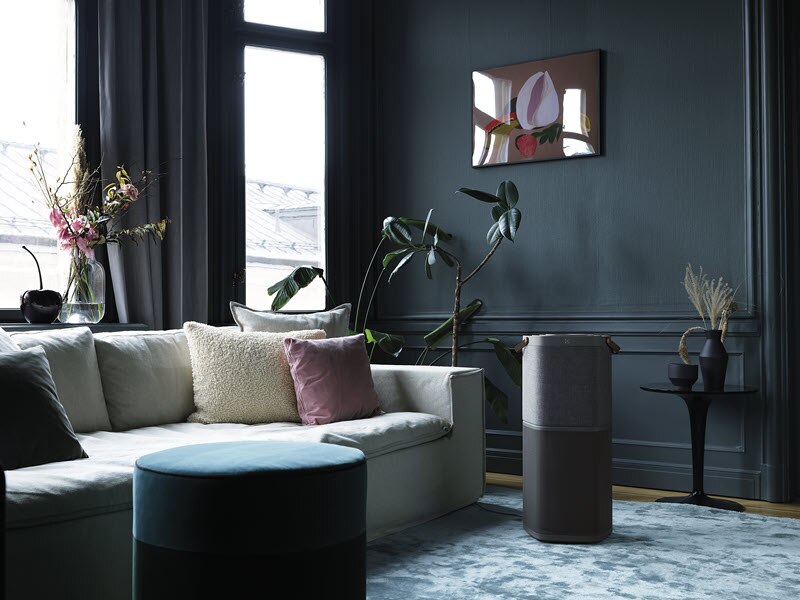
Choose a HEPA-filter air purifier that is appropriately sized for the room you plan to use it in. An Electrolux air purifier, for example, uses HEPA filtration designed to capture fine airborne particles, including PM2.5. Position your purifier close to where your family spends the most time, such as beside the living area or near the bed, while leaving enough space around the unit for proper airflow.
Models with smart sensors, such as those available on Electrolux air purifiers, can monitor changes in indoor air quality and adjust operation accordingly. For bedrooms and nurseries, consider quiet operation as well, especially if you plan to keep the purifier running overnight.
5. Prepare your air-conditioning before haze arrives
Clean washable mesh filters and arrange servicing before haze season begins so your air-conditioning system is ready for heavier use. If you use a window air-conditioning unit, check whether it has an outdoor air intake and learn how to close it during hazy conditions to minimise polluted air entering from outside.
6. Cut down indoor pollution sources
When outdoor air quality is already poor, avoid adding unnecessary particles inside your home. Do not smoke indoors, and minimise activities such as frying food or burning incense when haze levels are elevated. Using your kitchen exhaust appropriately while cooking can also help manage pollutants generated indoors.
7. Pack a haze-ready kit for vulnerable family members
Keep essential items together so they are easy to access if haze conditions worsen. This could include spare N95 masks, regularly used medication and other necessities for family members with asthma, sinusitis or other respiratory conditions. Contact lens wearers may also want to keep glasses nearby in case smoky conditions cause eye irritation.
8. Switch to wet-cleaning and adopt a post-outdoor routine
Haze particles can settle on floors, furniture and other surfaces. Use a damp cloth to wipe surfaces and mop floors rather than dry-dusting, which can send settled particles back into the air. After spending time outdoors during hazy conditions, change out of exposed clothing and wash your hands and face before settling into your indoor spaces.
Ways to maintain good indoor air quality during haze season
Once haze season is underway, regular maintenance can help your air purifier and air-conditioning system continue working effectively. Check your air purifier filters more frequently than usual, as higher levels of airborne particles can cause them to become clogged faster.
On Electrolux air purifiers with a filter-change indicator, you can use the alert as a helpful reminder of when the filter needs attention. If the pre-filter becomes visibly dark or grey, or you notice an unusual burnt smell, check the filter and replace it if necessary.
Keep windows and doors closed while outdoor air quality remains poor, and use the myENV app to monitor PSI and PM2.5 readings before airing out your home. Once readings improve, you can reopen windows and doors to bring in fresh air. After a prolonged haze period, consider having your air-conditioning system professionally serviced to remove pollutants and debris that may have accumulated inside.
Common mistakes that let haze into your home
Even with the right preparations, a few everyday habits can make it harder to keep indoor air clean during haze season. Try to avoid these common mistakes:
- Leaving windows open when air quality is poor: Check PSI and PM2.5 readings before opening windows or balcony doors, even if the air outside appears clear.
- Using an air purifier that is too small for the room: Choose a purifier with a recommended room coverage that matches the size of the space you want to clean. If you’re still confused which model fits your needs, read our air purifier buying guide.
- Overlooking your air-conditioning system: Some window air-conditioning units can draw in outdoor air, so make sure the outdoor air intake is closed during periods of haze.
- Waiting too long to check filters: Inspect air purifier and air-conditioning filters regularly rather than waiting for performance to noticeably decline.
FAQs about preparing for haze season
-
1. What PSI level is considered unhealthy in Singapore?
In Singapore, a 24-hour PSI reading of 101–200 falls within the Unhealthy range. Readings of 201–300 are considered Very Unhealthy, while readings above 300 are Hazardous. During haze periods, check the latest official readings and health advisories to decide what precautions to take.
-
2. Where can I check real-time PSI and PM2.5 readings in Singapore?
You can check Singapore’s latest PSI and PM2.5 readings through the NEA myENV app or the official haze microsite. Monitoring these readings throughout the day can help you decide when to limit outdoor activities or keep windows and doors closed.
-
3. Should I turn off my air-con during haze or keep it running?
You can generally continue using your air-conditioning during haze, particularly with systems that recirculate indoor air. If you have a window air-conditioning unit with an outdoor air intake, close the intake where possible to prevent polluted outdoor air from entering your home.
-
4. Can I still exercise outdoors when it’s hazy?
Whether you should exercise outdoors depends on current air quality and your individual health. Check official PSI and PM2.5 readings and follow Singapore’s health advisories before exercising outside, particularly if you have a respiratory condition or are more vulnerable to haze.
-
5. How often should I clean my air purifier filter during haze season?
There is no single cleaning schedule that applies to every air purifier, so follow the manufacturer’s care instructions and check the filters more frequently during periods of heavy haze. If your purifier has a filter-change indicator, use it to help determine when a replacement is needed.