


Robot vacuum with mop combos promises cleaner floors with barely any day-to-day effort, but they are not the right fit for every home or floor type. If you are wondering is a robot vacuum with mop worth it, understanding what these devices do well, their limitations, and the surfaces they suit best so you can choose a cleaning solution that suits your floors and lifestyle.
Executive summary: A robot vacuum with mop is best suited to regular maintenance on hard floors such as tile, laminate, sealed hardwood, and vinyl. It can also vacuum low-pile carpet, although mopping should be avoided on carpet unless the device can automatically lift its mop pad. These appliances reduce everyday cleaning effort, but they still require maintenance and cannot completely replace periodic deep cleaning.
What is a robot vacuum with mop?
A robot vacuum with mop is an autonomous floor-cleaning appliance that combines vacuum suction and a dustbin with a water tank and mop pad. It can follow a cleaning schedule or be controlled through an app, depending on the model.
Some all-in-one models vacuum and mop during the same cleaning cycle. Modular designs instead require you to swap components, such as replacing the dustbin or vacuuming attachment with a water tank and mop module.
Robot vacuum with mop benefits and limitations
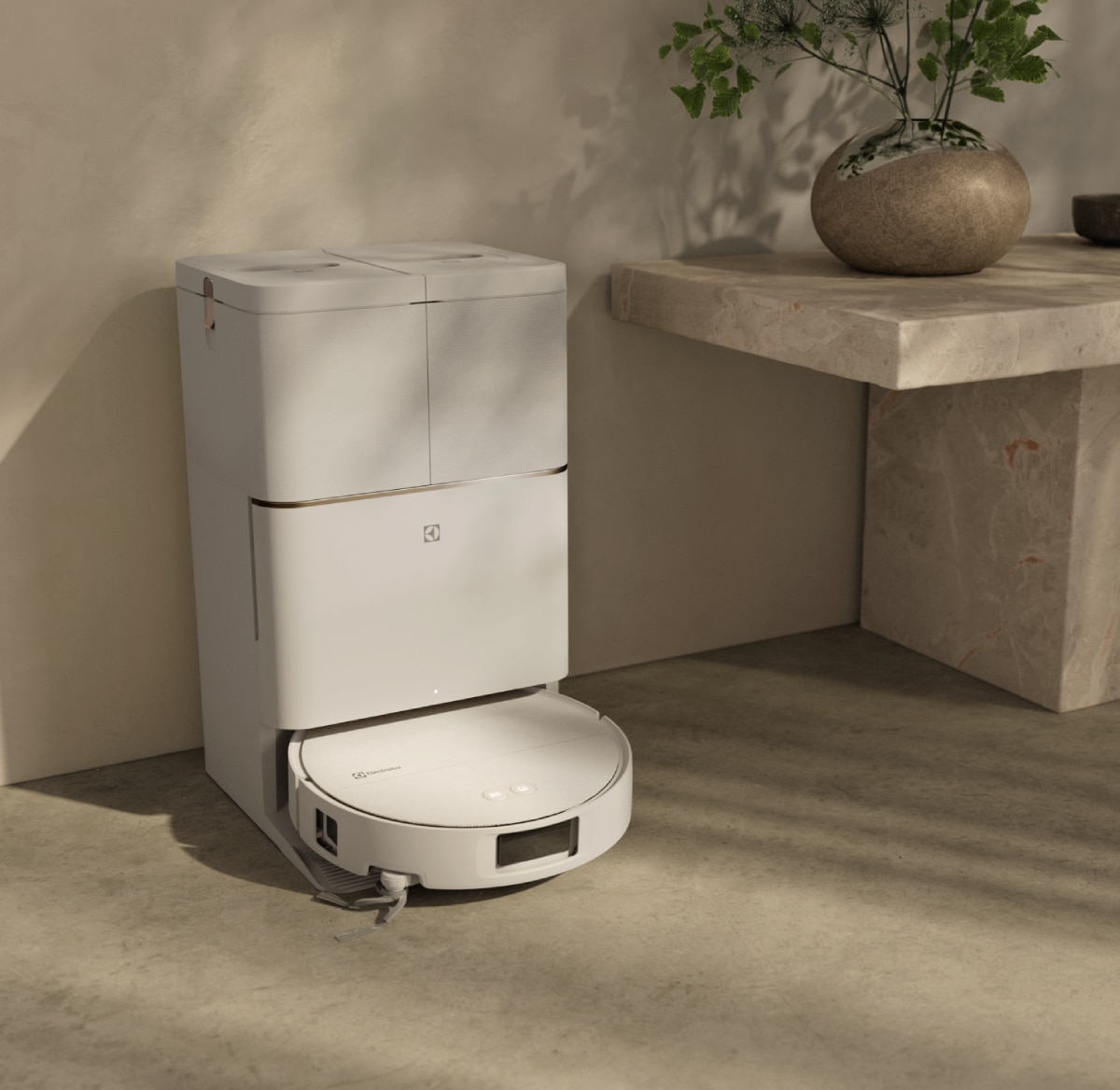
Understanding the main robot vacuum and mop benefits alongside its drawbacks makes it easier to decide whether this type of cleaner suits your home.
| Aspect | Benefit | Limitation |
|---|---|---|
| Daily effort | Runs on a schedule with little active effort | Requires emptying, refilling, and cleaning of pads, brushes, and sensors |
| Cost | Entry-level models can provide convenient basic upkeep | More advanced models cost more, with ongoing expenses for consumable parts and cleaning solution where required |
| Floor coverage | Robot vacuum with mop is suitable of mixed flooring during a cleaning cycle | High-pile carpet can be difficult to navigate and should not be mopped |
| Cleaning depth | Provides reliable everyday maintenance between deeper cleans | Cannot always match a full-size vacuum on heavy dirt or thick carpet |
| Floor safety | Adjustable suction and water levels can help protect suitable hard floors | Incorrect settings or trapped debris may scratch floors, while excess moisture can damage some hardwood |
Benefits of using Robot vacuum with mop
1. Automated hands-free cleaning schedules
- Daily automation: Set custom cleaning schedules via your smartphone app so floors are swept and mopped automatically while you are at work or away from home.
- Effortless upkeep: Drastically reduces the time and energy spent on manual daily housekeeping.
2. Two-in-one sweep and mop convenience
- Dual-action efficiency: Tackles dry debris and sticky surface dust in a single pass.
- Multi-surface versatility: Ideal for homes featuring a combination of tile, laminate, sealed hardwood, and low-pile rugs.
3. Consistent allergen and dust control
- Allergen reduction: Frequent, automated cleaning helps prevent fine dust, pet dander and pollen from building up on floors, particularly in homes with shedding pets.
- Dust filtration: Robot vacuums with multi-layer filtration systems can help capture fine dust and pet hair during cleaning, while regular filter maintenance helps maintain cleaning performance.
- Cleaner indoor environment: Regular vacuuming and mopping help keep floors free from everyday dust and dirt between deep cleaning sessions.
4. Next-level docking station automation
- Hands-off maintenance: Premium models feature multi-functional docking stations that automatically empty dustbins, refill water tanks, and wash dirty mop pads.
- Odor & mold prevention: Built-in warm-air drying features prevent damp mop pads from developing mildew or bad odors.
Which floors work best with a robot vacuum with mop?
The best floors for a robot vacuum and mop tend to be smooth, hard surfaces, although some models can also handle low-pile carpet effectively
Tile and laminate
A robot vacuum with mop for tile floors is a particularly practical combination. Tile is generally smooth and water-resistant, allowing the vacuum to collect loose debris before the mop tackles light marks and surface dirt. Regular cleaning can also help prevent debris accumulating around grout lines.
Laminate is similarly easy for robots to navigate, although you should always follow the flooring manufacturer's guidance on moisture and cleaning methods.
Hardwood
Do robot vacuums scratch hardwood floors? They should generally be suitable for sealed hardwood when used correctly, but floor condition and device settings matter.
Look for controlled water flow and settings appropriate for delicate flooring. Keep wheels and brushes free from grit that could be dragged across the surface, and avoid steam-mopping functions on hardwood. Good obstacle detection can also reduce the risk of the robot pushing or dragging objects that could mark the finish.
Unsealed or moisture-sensitive hardwood requires greater caution.
Vinyl
Vinyl is typically well suited to robot vacuuming and mopping. Its smooth surface makes navigation straightforward, while regular vacuuming can remove loose dust and debris before mopping.
As with any flooring, follow the manufacturer's care instructions and avoid excessive water.
Low-pile carpet
Using a robot vacuum with mop on carpet requires the right features. Most models can vacuum low-pile carpet, but the mop should not leave the carpet damp.
For homes combining carpet and hard flooring, consider a model with automatic carpet detection and the ability to lift or otherwise disengage the mop when it reaches carpet.
High-pile or deep-pile carpet
Thick and deep-pile carpets are less suitable. Robot cleaners can struggle to move through long fibres, and the mop function should avoid carpet altogether.
A canister vacuum cleaner remains a more appropriate option when deep cleaning thick carpet.
Homes with mixed flooring
For homes containing both hard floors and carpet, automatic floor detection can make everyday cleaning easier. Look for a robot that can adapt suction to different surfaces and lift or disengage its mop when transitioning onto carpet.
Is a robot vacuum with mop worth it for your home?
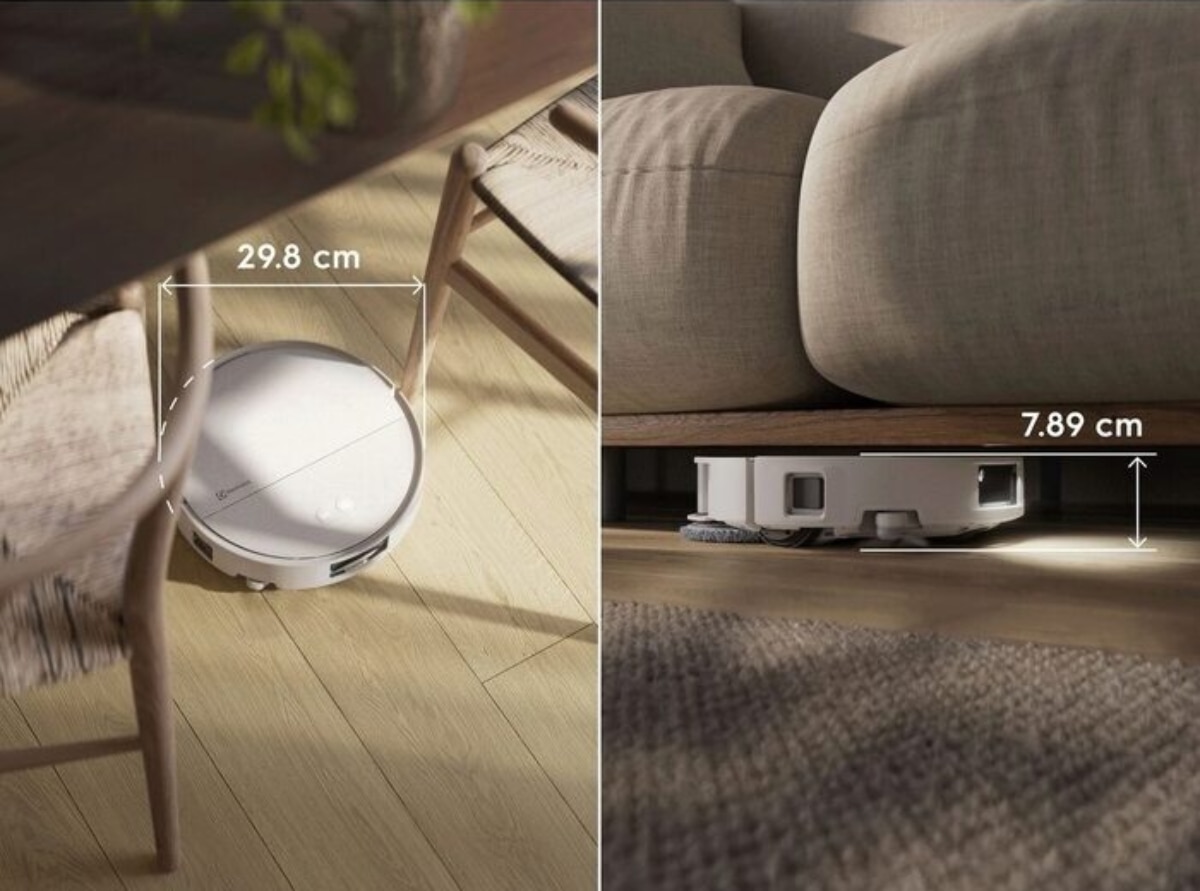
Whether a robot vacuum with mop is worth it depends mainly on your flooring and expectations.
It can be a strong daily-maintenance companion for homes with mostly hard floors and households that regularly deal with dust, crumbs, pet hair, or other everyday debris. Frequent automated cleaning may also appeal to households wanting to limit dust build-up between deeper cleans.
However, a robot works best as part of a broader cleaning routine. You may still need a full-size vacuum or mop for deep cleaning, stairs, corners, stubborn dirt, and surfaces the robot cannot reach.
Keep your floors spotless with Electrolux
Make everyday floor care easier with the Electrolux range of floor-cleaning solutions. Electrolux 700 Self-emptying robot vacuum cleaner and mop will provide convenient, regular cleaning while helping you maintain different surfaces around your home.

-
- Up to 4000Pa* suction on fine to large particles².
- Thoroughly clean hard floors with integrated mop.
- Lidar maps home to optimise cleaning efficiency.
-
- Edge-to-edge cleaning, LiDAR navigation and 200+ obstacle identification
- Powerful HyperSuction technology with up to 100% large-debris pick-up**.
- All-in-One station with up to 30 days of hands-free dust emptying.*
Explore Electrolux floor care accessories to find a cleaning solution suited to your flooring, household needs, and preferred level of everyday convenience.
Choosing the right cleaning routine
A robot vacuum with mop is not a universal upgrade for every household. Its value comes from matching its capabilities to your floors and setting realistic expectations about daily maintenance versus deep cleaning. To ensure your device has optimal performance, check out our step-by-step guide on how to clean a vacuum cleaner properly.
Consider your flooring, cleaning habits, pets, and maintenance preferences, then explore the complete Electrolux vacuum cleaner range to find a solution that suits your home.
-
- Up to 4000Pa* suction on fine to large particles².
- Thoroughly clean hard floors with integrated mop.
- Lidar maps home to optimise cleaning efficiency.
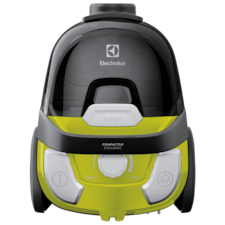
-
- 2-in-1 performance nozzle cleans all floor types.
- Easy-empty, bagless canister reduces contact with dust.
- Hygienic HEPA filter for a clean, healthy home.
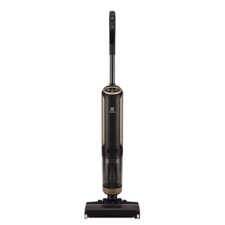
-
- Powerful vacuum suction with 99% debris pick up*.
- Self-cleaning function cleans in two minutes.
- Water tanks eliminate up to 99% the tested bacteria*.
FAQs about robot vacuum with mop guides
1. Do robot vacuums and mops scratch hardwood floors?
No, as long as they are used correctly on sealed wood. However, trapped grit under wheels or mop pads can cause fine scratches. To prevent floor damage, keep wheels clean, control water output levels, and avoid using them on unsealed wood floors.
2. Can a robot vacuum and mop replace manual mopping entirely?
Not completely. While they are ideal for daily maintenance and light surface dust, you will still need occasional manual mopping to scrub stubborn stains, deep grime, tight corners, and baseboards.
3. Are robot vacuum and mop combos safe to use on carpets?
Yes, provided the model has smart carpet detection. Modern units automatically lift their mop pads or avoid carpets entirely during a mopping cycle. Without these features, wet pads can dampen and stain carpet fibers.
4. Do robot vacuums and mops require daily maintenance?
Yes, basic maintenance is needed after most cleaning runs. You must regularly empty dustbins or dirty water tanks, wash mop pads to prevent odor, clear tangled hair from rollers, and wipe optical sensors clean.
5. Is a robot vacuum and mop combo worth the extra money over a vacuum-only model?
Yes, if your home has significant hard flooring. The added two-in-one convenience saves considerable effort. However, if your home is mostly carpeted, a standard vacuum-only robot is a more cost-effective choice.