Vacuum cleaner maintenance is one of the simplest ways to keep your appliance performing well. If your vacuum loses suction, the problem is often a full dustbin, dirty filter, blocked hose, tangled brush roll or air leak rather than a broken motor.
This guide explains how to restore vacuum suction, what suction power means, and when to use accessories, service support or a replacement vacuum cleaner.
⚠️ Safety First: Always switch off and unplug your vacuum cleaner, or remove the battery if applicable, before checking filters, hoses, brushes or blockages.
Quick scan: How to restore vacuum suction
1. Empty the dustbin or bag early: Restricted airflow is one of the most common causes of weak suction.
2. Clean or replace filters: Clogged filters reduce airflow and can make the vacuum overheat.
3. Check for hose blockages: Small objects, dust clumps or hair can block airflow.
4. Clean the brush roll and nozzle: Hair and fibres can stop the brush from lifting dirt properly.
5. Check seals and connections: Loose parts or damaged hoses can reduce suction.
6. Use compatible accessories: Correct filters, nozzles and dust bags help maintain airflow and cleaning performance.
What is vacuum cleaner suction power?
Vacuum cleaner suction power is the force that helps pull dust, hair and debris into the vacuum cleaner. However, cleaning performance is not only about one number.
Real cleaning results also depend on airflow, nozzle design, filtration, sealing, brush performance and maintenance. A vacuum with poor airflow or a blocked filter can clean badly even if the suction number looks strong.
What is a good suction power for a vacuum cleaner?
A good suction level depends on the vacuum type and what you are cleaning. Use the table below as general consumer guidance only.
|
Vacuum type |
General suction range |
What this means for consumers |
Best for |
|---|---|---|---|
|
Canister vacuum cleaner |
200–400 AW / |
Strong suction for larger homes, thicker carpets, mixed floors and deeper cleaning. |
Deep cleaning, carpets, larger homes |
|
Cordless stick vacuum cleaner |
100–210 AW / |
Good everyday suction with lighter handling and flexible reach. |
Apartments, condos, quick daily cleaning |
|
Handheld vacuum cleaner |
30–50 AW / |
Light suction for small messes and spot cleaning. |
Sofas, shelves, car seats, quick clean-ups |
|
Robot vacuum cleaner |
3,000–8,000+ Pa |
Suitable for automated daily floor maintenance. Not a full replacement for deep cleaning. |
Hard floors, low-pile rugs, daily upkeep |
|
Wet and dry vacuum cleaner |
100+ AW / |
Designed to handle dry dirt and selected wet spills where the model supports wet cleaning. |
Utility areas, kitchens, heavier messes |
Note: These are general market guidance ranges. Actual cleaning results also depend on airflow, nozzle design, filtration, sealing, floor type and maintenance. Different brands may measure suction power differently.
5 expert tips to restore vacuum suction power at home
Step 1: Empty the dustbin or replace the dust bag early
A vacuum needs airflow to generate suction. When the dustbin or bag is too full, airflow becomes restricted and performance drops.
Empty bagless dustbins when they reach about 70–80% capacity. For bagged models, replace the dust bag before it is completely packed.
Step 2: Clean or replace your clogged filters
A dirty filter is one of the most common reasons for suction loss. In Singapore’s humid climate, fine dust can clump together and block airflow.
Wash reusable filters according to the user manual, replace HEPA filters when required, and make sure washable filters are fully dry before reinstalling.
To maintain airflow, link this section to Electrolux floor care accessories for compatible filters, dust bags, nozzles and replacement parts.
Step 3: Check for and remove hose blockages
Remove the hose and check for trapped debris, tissue, hair or small objects. If there is a blockage, clear it gently without damaging the hose.
If you often vacuum car interiors, mats or large debris, check the hose more frequently because small items can get stuck easily.
Step 4: Clean and detangle the brush roll
If suction feels strong through the hose but weak on the floor, the issue may be the brush roll or nozzle. Hair and fibres can stop the brush from lifting dirt properly.
Remove tangled hair carefully and clean the nozzle opening so airflow can pass through smoothly.
Step 5: Inspect seals, connections and belts
Loose parts, cracked hoses or damaged seals can reduce suction because air escapes before reaching the dustbin. Check that parts are locked securely and inspect belts where applicable.
Still no suction? Troubleshooting when the vacuum stops or overheats
If your vacuum cleaner switches itself off during use, it may be protecting the motor from overheating. This can happen when filters, hoses or bags are blocked.
The resolution:
1. Switch off and unplug the vacuum.
2. Clear blockages, clean filters.
3. And let the appliance cool down before using it again.
If the problem continues, the motor or internal parts may need professional support. You can easily book a repair service online, or reach out directly to our team via the Contact us page.
When to buy accessories, repair or replace your vacuum
Need replacement filters or parts? Use Electrolux floor care accessories to find compatible filters, dust bags, nozzles and maintenance parts.
Suspect internal damage? Electrolux support or vacuum repair service so customers can arrange professional help.
Considering an upgrade? Route customers by need:
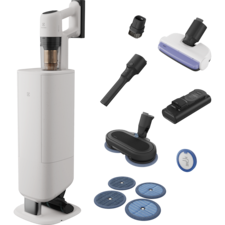
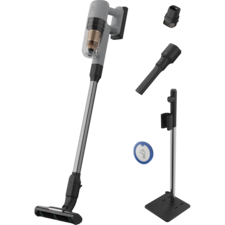
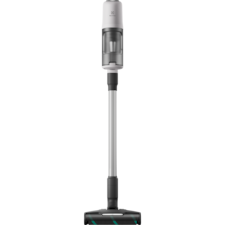
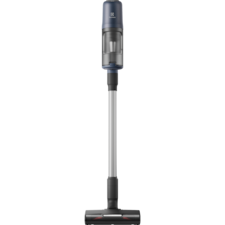
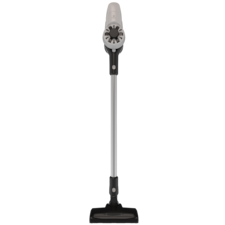
- Cordless vacuum cleaners: Ideal for daily maintenance and apartment living.

-
- Gentle on hard floors with thorough dust pick-up of up to 100% on hard floors with crevices.
- Easy and controlled emptying without dust clouds.
- High-quality battery for uninterrupted vacuuming, up to 50 minutes* cleaning power with handunit.
-
- High-performance nozzle with maximum suction power. Up to 99.9% dust pink-up with every stroke.
- Easy and controlled emptying without dust clouds.
- High-quality battery for uninterrupted vacuuming, up to 50 minutes* cleaning power with handunit.
-
- Performance for up to 30 minutes* of runtime.
- Versatile vacuuming and convenient storage.
- Cyclonic system maintains optimal performance.
DISCONTINUED
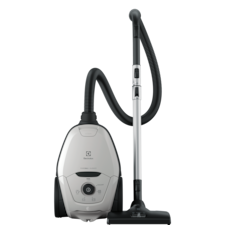
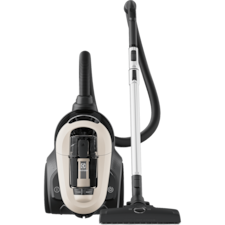
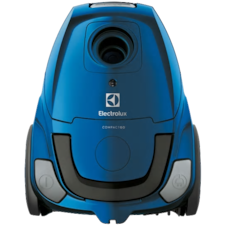
- Canister vacuum cleaners: Best for deep cleaning carpets and larger homes.

-
- Strong suction power and new nozzle for efficient dust pick-up.
- Cyclone separator helps in cleaning longer
- Designed for less contact with dust and easy emptying.
-
- 2-step dust emptying reduces spillages.
- Uncompromised performance*, throughout the clean.
- 6-Step filtration system for a clean home.
-
- 2-in-1 performance nozzle cleans all floor types.
- Hygienic HEPA filter for a clean, healthy home.
- Lightweight and compact storage for ease of use.
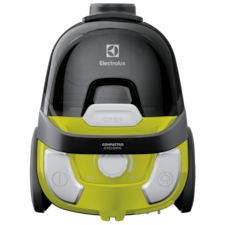
-
- 2-in-1 performance nozzle cleans all floor types.
- Easy-empty, bagless canister reduces contact with dust.
- Hygienic HEPA filter for a clean, healthy home.
- Wet and dry vacuum cleaners: Useful for heavier dirt and liquid spills where the model supports wet cleaning.
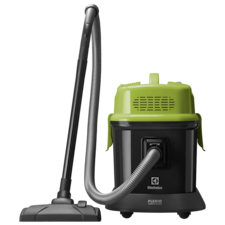
-
- 3-in-1 vacuum with wet, dry and blow functions.
- Accessories stored on board for efficient, easy access.
- 360° rotation for ease of use and stable handling
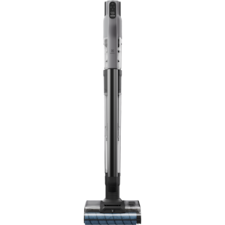
-
- A 3-in-1 cleaning solution for all surfaces.
- An exceptional wet and dry cleaning performance.
- TriAction nozzle removes up to 99%* dry debris.
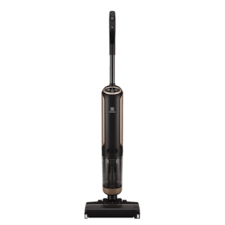
-
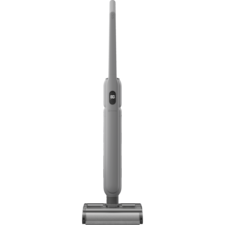
- Powerful vacuum suction with 99% debris pick up*.
- Self-cleaning function cleans in two minutes.
- Water tanks eliminate up to 99% the tested bacteria*.
-
- Light, hygienic wet cleaner for tough spills and stains.
- Fast and light complete wet cleaning for spills and stains
- Advanced DualAction nozzle for a smoother, thorough clean.
FAQs about vacuum cleaner suction power
-
1. Why is my vacuum cleaner suddenly losing suction?
Sudden suction loss is usually caused by restricted airflow. Check the dustbin, bag, filters, hose and brush roll first.
-
2. Why does my vacuum cleaner switch itself off during use?
This is a safety mechanism caused by overheating. When a vacuum is clogged, the motor strains and overheats. Unplug the unit, clear the clog, and let it cool for 30 minutes before restarting it.
-
3. Does washing the vacuum filter improve suction?
Yes, if the filter is washable and cleaned according to the user manual. A clean filter helps airflow move properly through the vacuum.
-
4. How often should I empty my bagless vacuum dustbin?
Empty the dustbin when it reaches about 70–80% capacity. Do not wait until it is fully packed.
-
5. How do I get better suction when cleaning my furniture?
Use the correct attachments and adjust your technique. To get the most out of your appliance when detailing upholstery, review our tips on how to use a vacuum cleaner efficiently or our specific guide on how to clean a fabric sofa with a vacuum cleaner at home.
-
6. Does higher suction power always mean better cleaning?
Not always. Higher suction can help, but airflow, nozzle design, brush performance, filtration and maintenance also affect cleaning results.
-
7. What should I do if my vacuum still has no suction?
If cleaning filters, clearing blockages and checking seals do not help, contact Electrolux support for service advice.