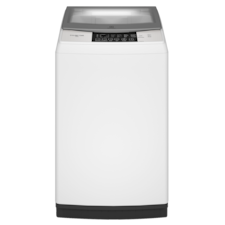
Choosing between a top load vs front load washing machine often comes down to how much time, water and space you have to spare. Both machine types get your clothes clean, but they differ in cycle length, running cost and everyday convenience. This guide breaks down the real differences so you can decide which type suits your household best.
Quick takeaways:
- Water and energy use: Front load machines typically use less water and energy per cycle because of their horizontal drum design.
- Cycle time: Top load machines usually run shorter, simpler cycles, so you can pause and add a forgotten item since the door is not locked.
- Cleaning action: Front load machines tumble clothes through gravity for thorough cleaning, though modern top load impeller models have closed much of the gap.
- Space at home: Front load machines can be stacked with a dryer to save floor space; top load machines need clearance above the lid instead.
- Price and upkeep: Top load machines are often cheaper upfront, while front load machines may cost less to run over several years.
What's the Difference Between Top Load and Front Load Washing Machines?
Obviously, the main difference between these two types of washing machines is the location of the door. For top-load washers, you put the laundry from the top, whereas front loaders are opened from the front of the machine.
Obviously, the main difference between these two types of washing machines is the location of the door. For top-load washers, you put the laundry from the top, whereas front loaders are opened from the front of the machine.
The table below gives a quick-glance summary, and the breakdown after it covers each point in more detail.
Drum Orientation
Top load washing machines have a vertical drum you access from above, using an agitator or impeller to push clothes through water.
Front load washing machines are designed with a horizontal drum you access from the front, tumbling clothes through a smaller pool of water with the help of gravity. This single design choice shapes almost every other difference between the two types.
Cleaning Performance
On cleaning power, a front vs top load washing machine comparison usually favours front load machines. They remove tough stains through repeated tumbling, lifting clothes and dropping them back into the water and detergent mix, which reaches ground-in dirt effectively on bulkier items like towels and bedsheets. Top load machines with an agitator twist clothes around a central post, which can be tougher on delicate fabrics over time.
Newer impeller-based top load models move clothes more gently and narrow this gap, though front load machines still tend to edge ahead on heavily soiled loads.
Water and Energy Usage
Front load machines generally use less water because the drum only needs to be partially filled for clothes to tumble through it. Top load machines, especially agitator models, need enough water to fully submerge the load, which adds up over each wash.
Lower water use also means less energy spent heating it, so front load machines tend to cost less to run over time even though they may cost more to buy. Efficiency still varies between models, so it is worth checking the energy label before you decide.
>> Read more: 9 tips on how to save electricity when using a washing machine
Cycle Time
Top load machines usually finish a cycle faster, which suits households doing several loads back to back, and many let you pause mid-cycle to add a forgotten item since the lid is not locked.
Front load machines take longer per cycle because the tumbling action and higher spin speeds need more time to clean and extract water thoroughly, but that higher spin means clothes come out drier.
Space and Installation
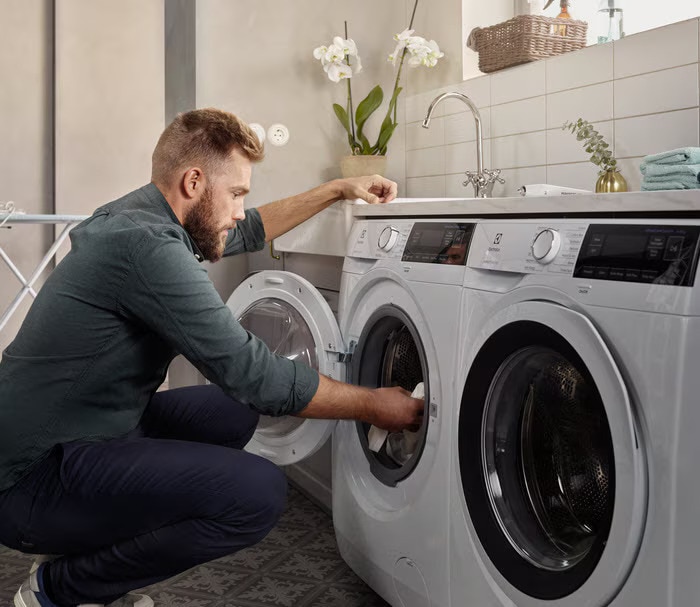
Front load machines fit neatly under a stacked dryer, which suits smaller utility areas and HDB flats where floor space is limited.
Top load machines cannot be stacked and need clearance above the lid to open fully, so measure your laundry area before choosing one. Front load machines also need their door seal wiped and left open to air out, to avoid mould building up in the folds.
Price Range
Top load machines are usually the more affordable option upfront, which matters if you are furnishing a new home on a budget. Front load machines cost more to buy but tend to use less water and energy, so the gap can narrow over years of regular use.
Which Is Better: Top Load or Front Load Washing Machine?
There is no single answer to which is better, front or top load washing machine, because it depends on what your household values most.
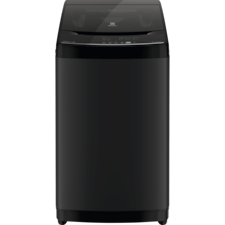
If you want quick cycles, easy loading and a lower purchase price, a top load washing machine is likely the better fit. Electrolux top load washers are built with this kind of household in mind, pairing a shorter cycle with straightforward, easy-to-use controls for everyday laundry.

-
- Fuzzy logic adapts settings for great results.
- Quick cycles for single items or small loads.
- Soft-close lid closes silently and safely.

-
- Fuzzy logic adapts settings for great results.
- Quick cycles for single items or small loads.
- Soft-close lid closes silently and safely.
If you are after lower water and energy bills, a gentler wash for delicate fabrics or a compact stacked laundry setup, a front load washing machine is usually the stronger choice. Larger households doing heavier, more frequent loads also tend to benefit more from a front load machine's efficiency over time.
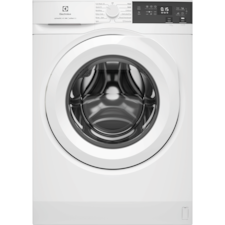
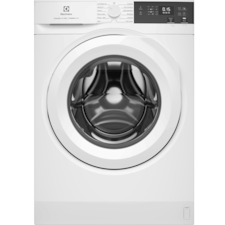
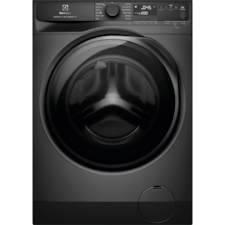
Electrolux's UltimateCare front load washers reflect this same focus, engineered to use less water and energy per wash while still handling larger, more frequent loads with ease.
-
- Added hygiene and gentle care.
- Efficient full-load washing in only 45 mins.
- Sanitise removes 99.99% common bacteria & viruses.*
-
- Added hygiene and gentle care.
- Efficient full-load washing in only 45 mins.
- Sanitise removes 99.99% common bacteria & viruses.*
-
- SensorWash helps remove up to 53 stains.*
- IntelliQuick selects best load based programme.
- Refresh clothes with vapour, without washing.
The table below summarizes the main pros and cons of each type of washer so you can make an informed decision.
|
|
Front loaders |
Top loaders |
| Pros |
|
|
| Cons |
|
|
>> More tips on choosing the right washer for your home can be found in this Washing Machine buying guide.
FAQs About Top Load and Front Load Washing Machines
-
Is front load or top load washing machine better for small families?
For a small family doing frequent, smaller loads, a top load washing machine's shorter cycle time is often more convenient. A front load washer still works well if water and energy savings matter more to your household than speed. -
Do front load washing machines really use less water?
Yes. Because the drum is only partially filled, front load machines typically use less water per cycle than top load machines, which need enough water to submerge the whole load. -
Why do top load washing machines have shorter cycles?
Top load washers, especially agitator models, spend less time on the wash and spin phases compared with the extended tumbling and higher spin speeds used by front load machines. -
Which type is easier to install in a Singapore HDB flat?
Front load washing machines are usually easier to fit into compact HDB utility areas because they can be stacked with a dryer. Top load washing machines need more vertical clearance to open the lid, so measure the space above before installing one.