


Hardwood floors look great, but they can scratch or dull if you use the wrong method. This guide explains a simple routine for daily care, deeper cleaning, and safe ways to deal with common marks and stains.
Quick answer (the routine that works)
Use as little moisture as possible, and remove grit before you mop:
- Daily: dust with a microfibre dust mop to pick up visible dirt.
- Weekly: vacuum on a “hard floor” setting to lift debris from edges and gaps.
- Every 2 weeks (or as needed): damp mop with a hardwood floor cleaner, then dry promptly.
If your home is humid, use a ceiling fan or air-conditioner to help floors dry faster.
What you will need
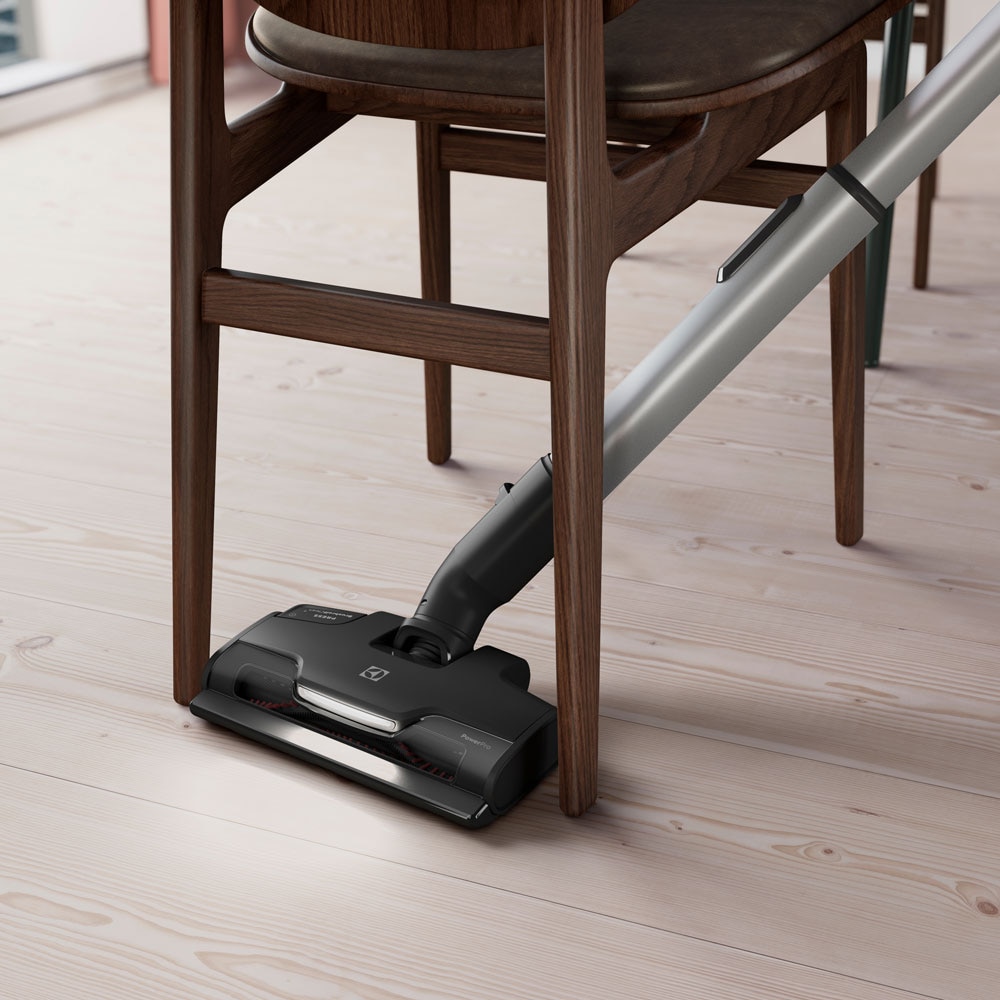
- A vacuum cleaner; if you clean often, cordless vacuum cleaners can make quick pick-ups easier
- Microfiber dust mop
- Hardwood floor cleaner
- Baking soda
- Soft cloth or sponge
Step-by-step: How to clean hardwood floors
1. Dust and vacuum regularly
Remove dust and debris first — small grit can scratch the surface when you walk over it or when you mop.
- For day-to-day dirt, use a microfibre dust mop.
- For a deeper clean, vacuum at least once a week. Use a “hard floor” setting to help prevent scratches.
- Disposable electrostatic cloths can help with quick dusting between cleans.
2. Spot clean immediately
When there’s a spill, act fast. Blot with an absorbent cloth. If needed, use a damp cloth — but do not let liquid sit on the wood.
3. Mop and deep-clean hardwood floors
Over time, dirt, oil, and grime can build up. Damp mopping helps — the key is to avoid excess water.
- Wet the mop: Saturate a sponge or rag mop, then wring it almost dry so it feels only slightly damp.
- Damp mop and rinse: Mop the floor and make sure there is no standing water. If your cleaning product requires it, rinse with a clean mop dampened in clean water.
- Wipe up excess liquid: Immediately wipe up any excess liquid. Standing water can damage wood surfaces.
- Dry the floor: If the weather is humid, use a ceiling fan or air-conditioner to speed up drying.
4. Revitalise your floors (occasionally)
If your floors look dull, you can use a wood floor polish to restore shine and add protection. For deeper scratches, liquid scratch concealers may help.

How to clean common stains from hardwood floors
Always test any cleaning method on a small hidden area first.
- Dark spots and pet stains: Gently clean the area with a damp cloth and a wood-safe cleaner. Repeat if needed and dry the floor afterward.
- Heel marks: Lightly buff marks using a soft cloth or floor wax designed for hardwood floors.
- Scuff marks: Start by buffing with a soft cloth or tennis ball. For tougher marks, use a slightly damp sponge and wipe dry.
- Oil-based stains: Clean with a small amount of mild dish soap on a soft cloth, then wipe with clean water and dry thoroughly.
- Watermarks or white stains: Use a gentle wood cleaner and buff the area dry. Persistent marks may require professional care.
Hardwood floor cleaning: Simple schedule & Tips
How often to clean hardwood floors
- Dust or sweep: daily to remove dirt and grit
- Vacuum: once a week
- Mop: every 2 weeks (adjust based on foot traffic)
- Deep clean: monthly or when needed
7 practical tips to keep hardwood floors clean longer
1. Entrance mats: place mats at entrances to trap dirt and debris.
2. A shoe-free home (if practical): limiting indoor footwear can reduce dirt and grit.
3. Furniture protectors: use pads under furniture legs and sliders when moving items.
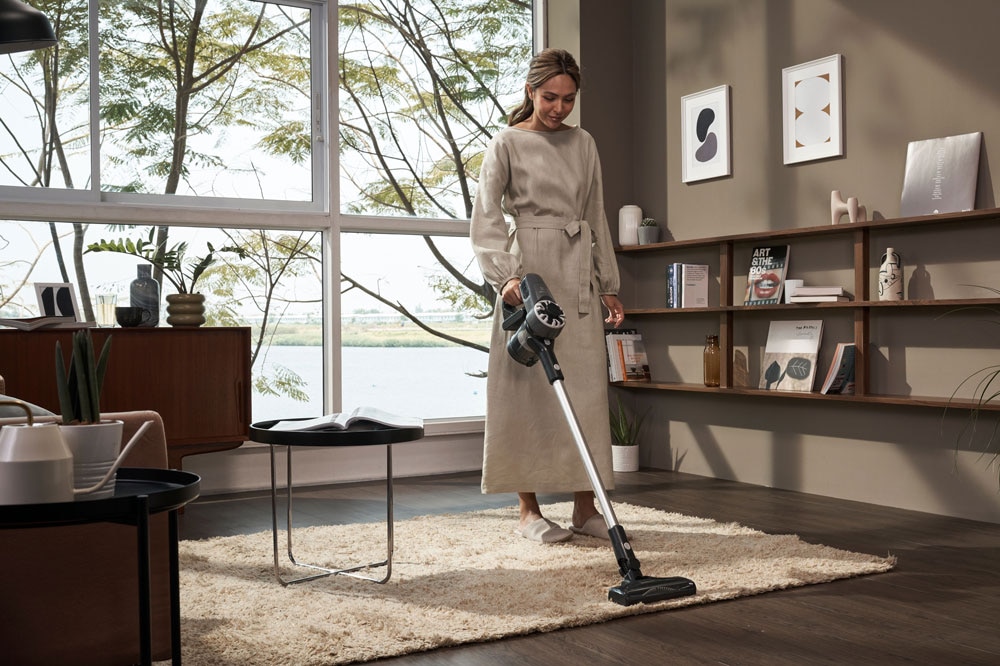
4. Rugs in high-traffic areas: protect busy areas from wear and scratches.
5. Clean spills immediately: act quickly to prevent stains.
6. Regular dusting: keep abrasive particles at bay.
7. Routine maintenance: follow a regular schedule; periodic refinishing may refresh the look.
Floor cleaning: The right tools make the difference
A simple rule helps protect hardwood: vacuum first, mop second. Removing grit reduces the chance of dragging it across the surface.
For everyday pick-ups, a cordless vacuum cleaner can make cleaning quicker and easier to keep up with. For weekly cleaning, use a hard floor setting and edge tools along skirting boards and under cabinets.
The draft highlights features found in Electrolux vacuum cleaners such as the PowerPro nozzle, five-step filtration, and BrushRollClean technology. Use features like these to improve dust pick-up and keep the brush roll clear, especially if hair and fibres build up. If you’re not sure which type suits your home, start with the vacuum cleaners buying guide.

-
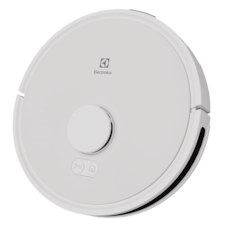
- Up to 4000Pa* suction on fine to large particles².
- Thoroughly clean hard floors with integrated mop.
- Lidar maps home to optimise cleaning efficiency.
-
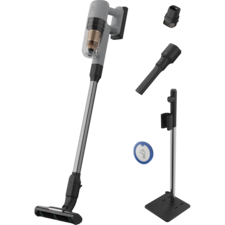
- Enjoy high-performance cleaning with light handling.
- Hard Floor nozzle - up to 100%* of dust pickup
- Advanced multiple cyclonic separator reduces filter clogging.
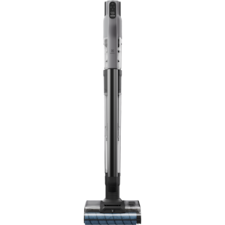
-
- A 3-in-1 cleaning solution for all surfaces.
- An exceptional wet and dry cleaning performance.
- TriAction nozzle removes up to 99%* dry debris.
FAQs about how to clean hardwood floors
-
1. Is it safe to use natural cleaners on hardwood floors?
Always test in a small area first. Some natural cleaners, such as vinegar, can damage certain hardwood finishes.
-
2. How do you prevent streaking on hardwood floors?
Vacuum or sweep before mopping. After mopping, use a soft cloth to buff the floors dry.
-
3. What should you avoid cleaning hardwood floors with?
Avoid ammonia, glass cleaner, and steam cleaners. They can damage the wood’s finish.
For more home care guidance, visit Electrolux Singapore.